Plan your window replacement before the first quote.
An independent Canadian planner for replacing windows: which frames and glass suit your house and climate, how installation should be done, what it should cost, and what a complete quote includes.
Window replacement means removing old windows and installing new ones, either as inserts inside the existing frames or full-frame to the rough opening. In Canada the main choices are frame material, window type, glass package (double or triple, low-e, gas fill, spacers) and installation method. Together they set energy performance, comfort, condensation and cost, which typically plans from several hundred to a few thousand dollars per window.
Build a window, then leave it out on a minus-thirty night
Pick the frame, double or triple glazing, low-e, gas fill and spacer, set the coldest hour and your room humidity, and watch the glass temperatures, heat flow and fog line respond. Play the night to see supper and morning showers push the dew point up.
What the model shows, in words
Three parts, three temperatures
A window is not one surface. The middle of the glass, the bottom edge where the spacer bridges the panes, and the frame each settle at their own temperature on a cold night. The model reports all three from the room side, using the temperature-factor idea behind CSA condensation testing, where zero means as cold as outdoors and one hundred means as warm as the room.
Why fog starts at the bottom
Air chilled against the pane slides down and pools, and the spacer conducts cold into the last few centimetres of glass. That makes the lower edge the first place to reach the room's dew point. Swap an aluminum spacer for a warm-edge one and watch the fog line drop, which is the reason the glass package guide treats the spacer as more than a detail.
What each upgrade buys
Low-e and argon warm the centre of the glass the most; a third pane warms it further and lifts the edge along with it. The frame choice matters most at the corners, where a thermally broken aluminum frame stays noticeably colder than vinyl, fibreglass or clad wood. The values behind these changes are typical textbook figures, not ratings for any product you can buy.
Humidity moves the line as much as glass does
The dew point comes from the room, not the window. Push the humidity slider up and even a well-built unit starts to sweat at the edge on the coldest hour. The panel shows the highest humidity your build can hold before fog appears, a practical way to set a winter target; window condensation covers the other household fixes.
Use it to ask better questions
The model is illustrative, so treat it as a way to understand trade-offs, not to pick a product. When quotes arrive, ask for the certified whole-window U-factor and Energy Rating, the spacer type and any condensation-resistance figure for each window, then compare them side by side with the Window Quote Checker.
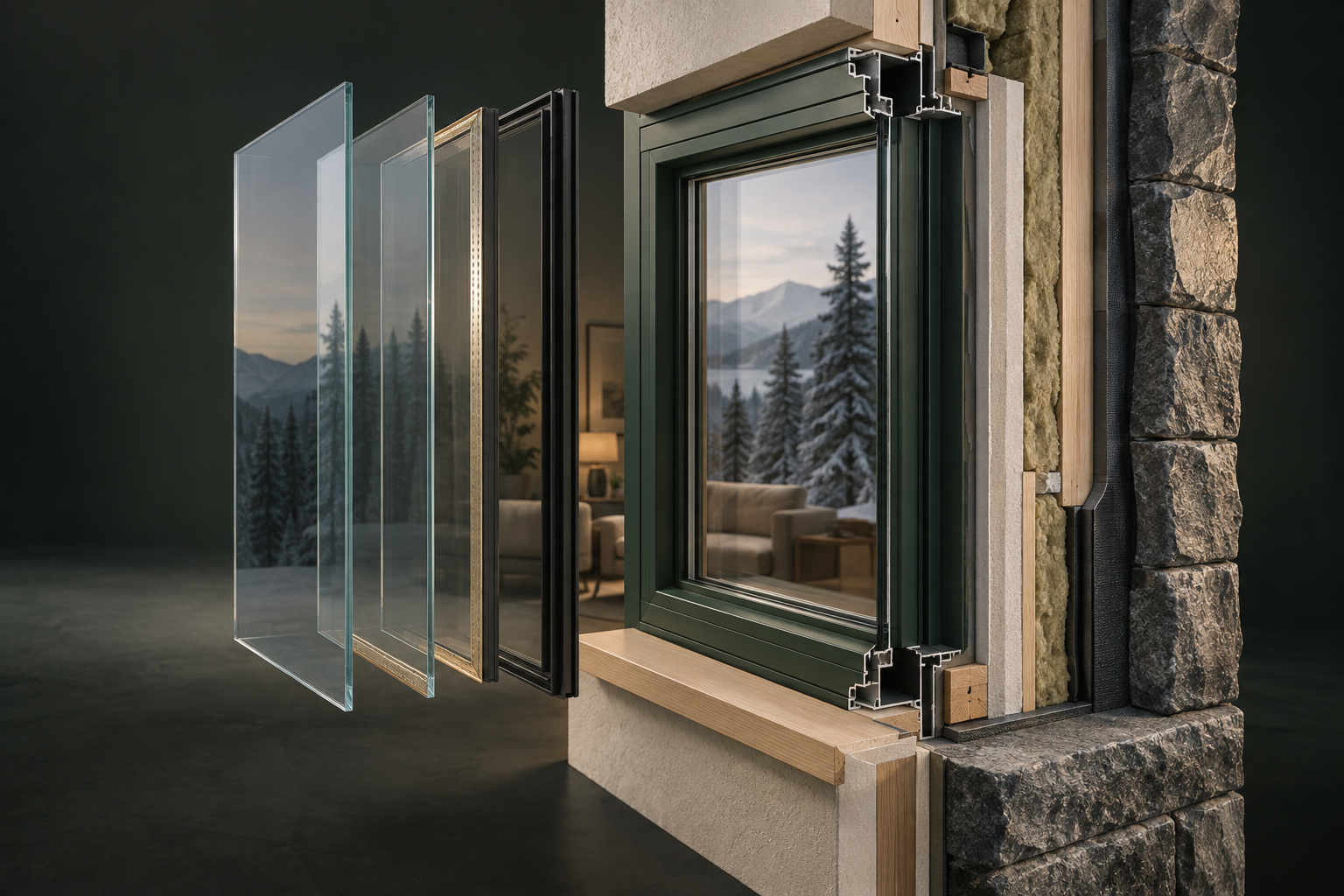
See how the glass layers fit together
The panes, gas spaces, low-e coatings and edge spacer work together. Compare the certified rating of the complete window when choosing a product. Explore the glass package →
Where are you in your window project?
Pick the closest match. Each path goes to the guide that answers it in full.
Window Replacement Planner
The Window Replacement Planner turns a list of windows into a planning range. Enter up to six rows, each with a window type, count and size, then choose one frame, glazing, installation method and exterior for the job. It multiplies published base ranges by size, frame and glass, adds full-frame and stucco allowances per unit, and returns a total, a per-row breakdown and a components list.
How the Window Replacement Planner works →
Also freeWindow Quote Checker
Window Quote Checker: compare up to three window replacement quotes on price per window, warranties and ten inclusions, with questions to ask each one.
Window Replacement Planner
Read these first
Window Replacement Planner
Enter up to six rows of windows and your frame, glass, install and exterior choices to get a 2026 planning range, a per-row breakdown and a components list.
CornerstoneWindow Quote Checker
Compare up to three quotes on price per window, product and installation warranties and ten inclusions, with the gaps turned into questions.
CornerstoneWindow replacement cost
The planning ranges by type, size, frame and glass, full-frame and stucco allowances, and worked whole-house examples.
CornerstoneENERGY STAR ratings and climate
U-factor, Energy Rating, SHGC and VT explained, what replaced the old climate zones in 2020, and how climate should shape your glass.
What it looks like
Illustrations of what this work involves and what a camera or a trained eye picks up. Every guide on ReplaceWindows.ca carries more like these.
01 /Start with what is actually failing
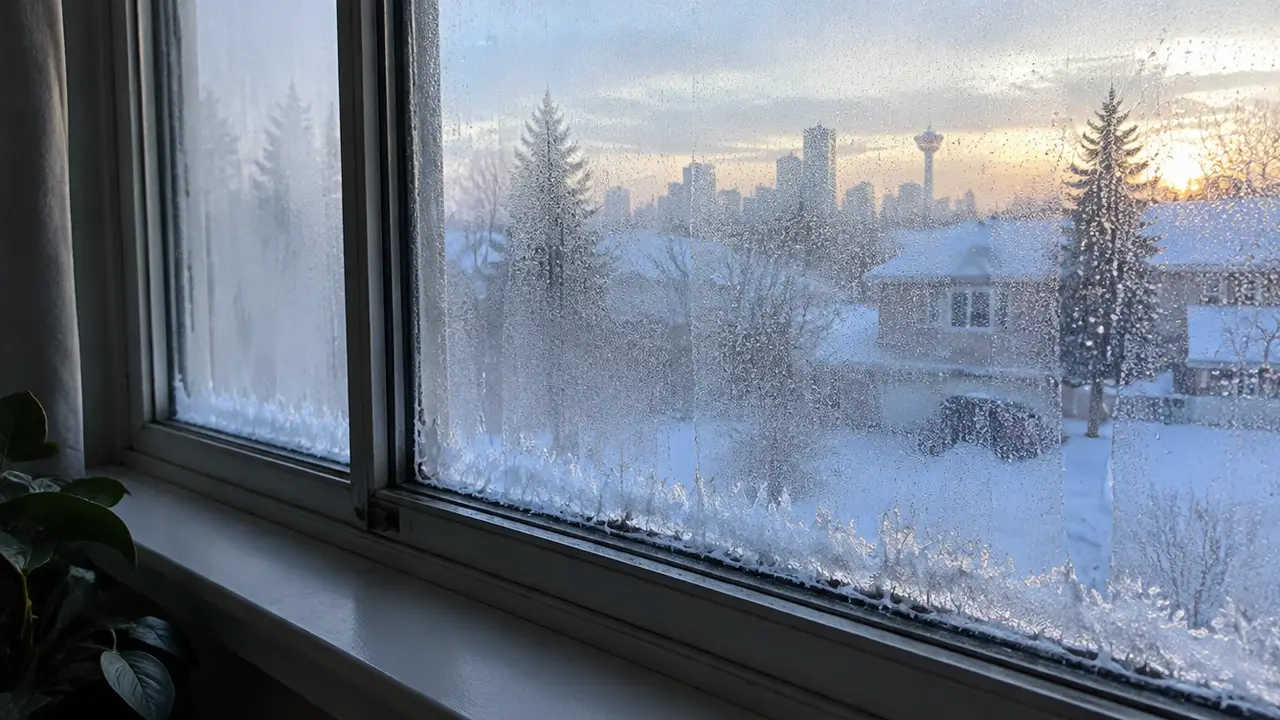
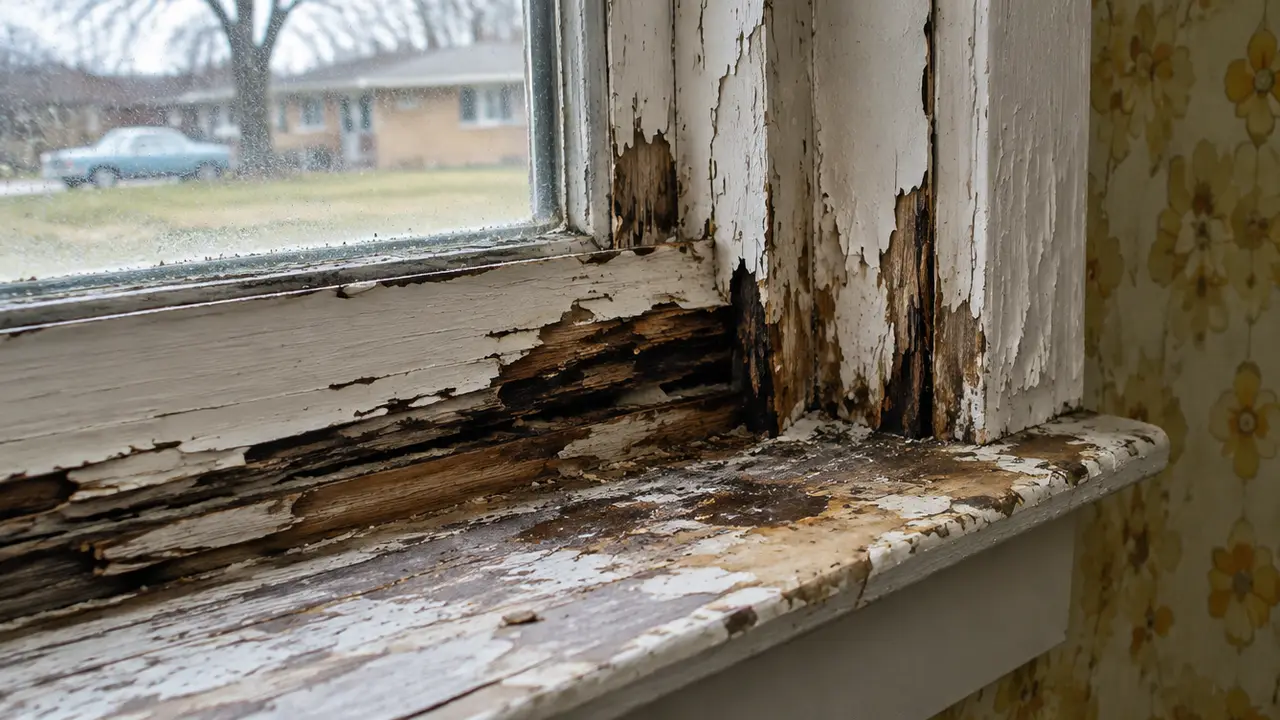
Before choosing new windows, work out what is wrong with the old ones, because many problems are repairs rather than replacements. Fog between the panes means a failed glass seal, and a new sealed unit in the existing sash often fixes it. A crank that spins or a sash that will not stay up is worn hardware. A draught at the trim is usually a gap between the frame and the wall that was never sealed. None of these, on its own, means the whole window has to go.
Replacement makes sense when the frame itself has failed or the window is holding the house back: rot or softness at the sill, water stains below the window, a frame out of square, single glazing or sashless sliders, several failing parts at once, or a bedroom window too small to escape through. The repair or replace guide goes part by part, and is window replacement worth it weighs energy, comfort, condensation and resale.
| What you see | Usually | Read |
|---|---|---|
| Fog between panes | Replace the glass unit | Repair or replace |
| Draught at the trim | Seal the frame-to-wall gap | Installation and sealing |
| Soft sill, stains below | Full-frame replacement | Insert vs full-frame |
| Cold, frosty single glazing | Replace or add storms | Worth it? |
02 /Four choices set most of the price and performance
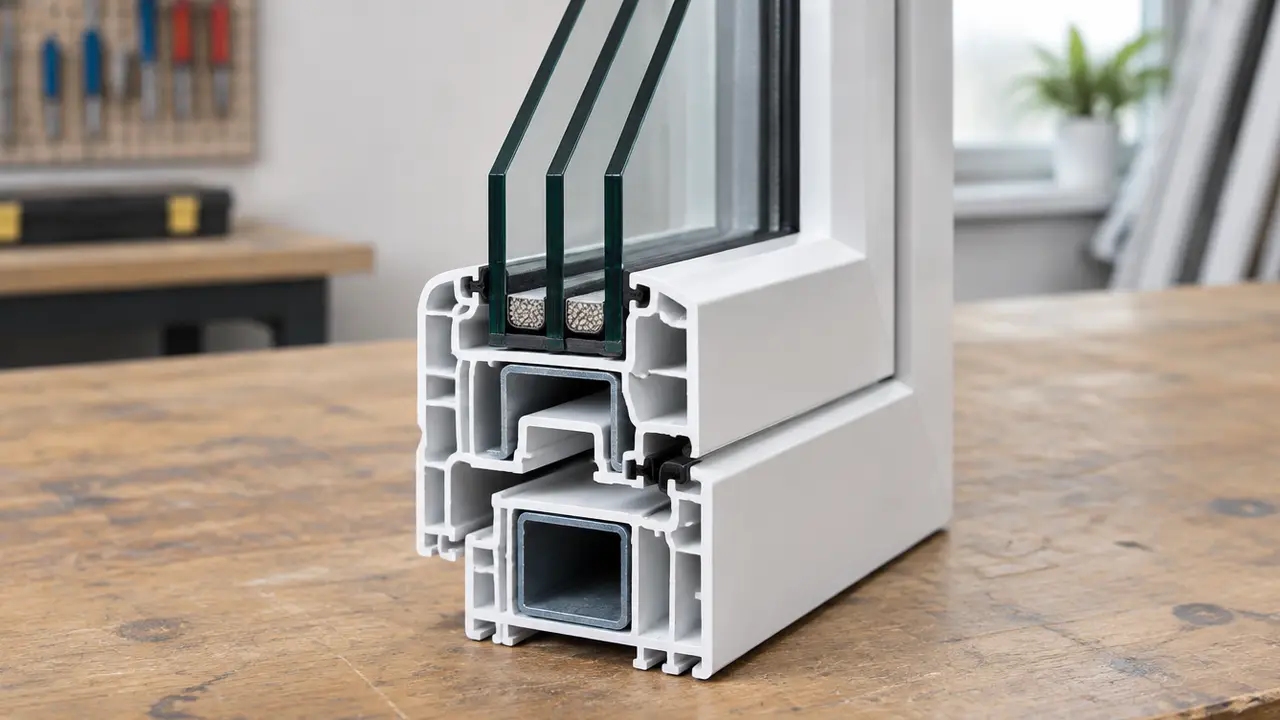
Once you know which openings need new windows, four choices decide most of the cost and how the windows perform. Window type sets ventilation, airtightness and egress: casements and awnings seal tightly, sliders and hung windows cost less, fixed windows are tightest of all. Frame material sets upkeep, stiffness and look: vinyl is the value baseline, fibreglass is stiffer and paintable, clad wood gives a wood interior. Glass sets heat loss and condensation: double or triple panes, low-e coatings, gas fill and warm-edge spacers. Installation method sets what gets fixed: an insert keeps the old frame, full-frame goes back to the rough opening.
| Choice | Planner effect |
|---|---|
| Medium vinyl casement, double low-e argon, insert | $900 to $1,500 base |
| Size small / large | ×0.8 / ×1.35 |
| Fibreglass / wood-clad / aluminum-clad wood / aluminum | ×1.3 / ×1.6 / ×1.7 / ×1.1 |
| Triple glazing | ×1.15 |
| Full-frame installation | +$250 to $600 per unit; +$300 to $800 more on stucco |
Each choice has its own guide: window types, vinyl windows, fibreglass vs vinyl, low-e glass, gas fill and spacers and insert vs full-frame. The cost guide shows whole-house examples, and how to choose replacement windows pulls every choice into one specification.
03 /Ratings and climate: what changed, and what still matters
Window energy performance in Canada is certified under NRCan's ENERGY STAR program. The current specification, version 5.0, in effect since January 1, 2020, has one national requirement: a U-factor of 1.22 W/m²·K or lower, or an Energy Rating of 34 or higher, for windows and doors, plus low air leakage. The three climate zones many people still ask about belonged to the previous version and survive mainly on older labels and in sales material.
Climate still shapes good choices. Colder places reward lower U-factors and triple glazing, especially on north and east walls. South-facing glass can collect useful winter sun with the right coating, while west-facing glass may need a lower solar heat gain coefficient to avoid overheating. Windy, wet coasts need windows rated for wind-driven rain. The climate zones page explains heating degree-days and lists how major Canadian cities were zoned, and ENERGY STAR window ratings explained decodes every number on a label.
04 /A five-step plan for replacing windows
- List every opening
Note each window's type, rough size, room and wall cladding, and mark bedrooms, because their windows must still work as emergency exits.
- Decide repair or replace per window
Fix glass units, hardware and trim sealing where frames are sound; replace where frames, flashing or glazing have failed.
- Choose frame, glass and method
Match glass to each elevation and climate, and choose full-frame wherever there is any sign of water damage.
- Run the planner
Get a planning range for your mix of windows and see how each choice moves it before anyone quotes.
- Collect and compare quotes
Ask for the product series, glass package, method and inclusions in writing, then line the offers up in the Window Quote Checker.
05 /Installation is half the window
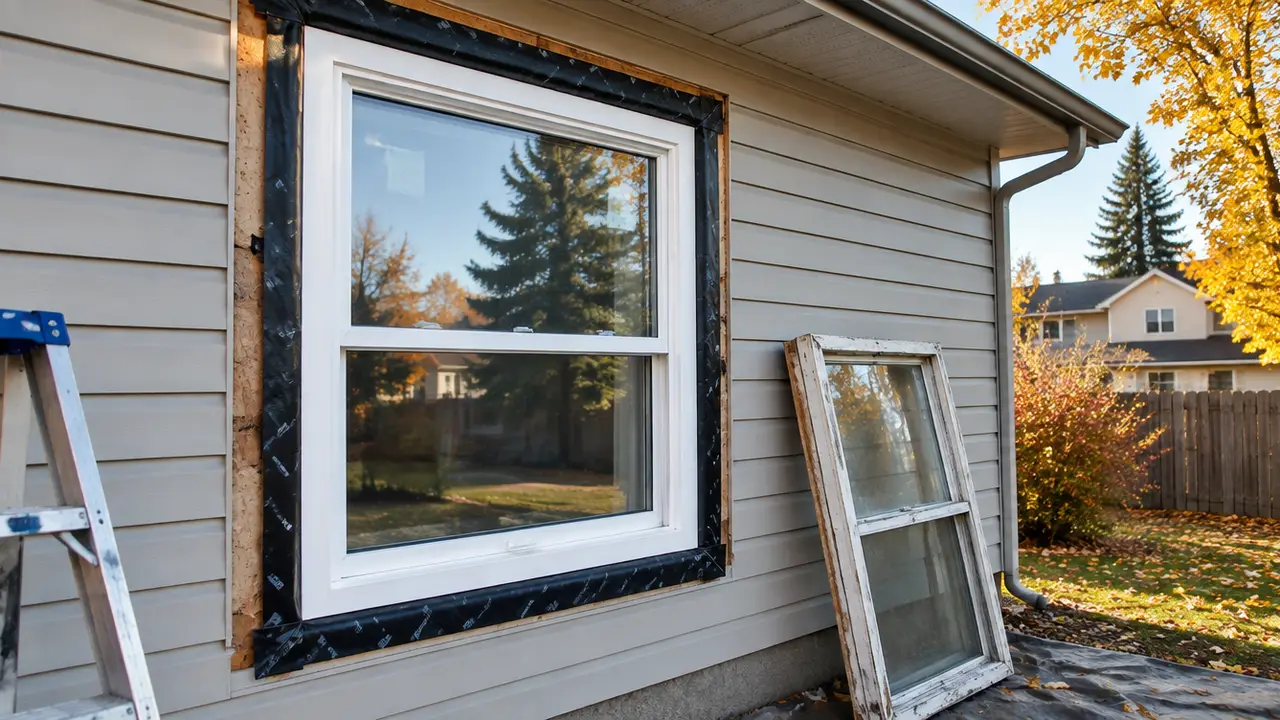
A certified window can still leak, draught or fog along its edges if it is installed badly. A good installation manages water with a sloped sill pan and shingle-lapped flashing, stops air with a continuous interior seal, insulates the gap with low-expansion foam or backer rod and sealant, and supports the frame with shims so it stays square. Exterior caulking is the last line of defence, not the first. Brick and stucco walls change the details, and bedroom windows must still meet egress rules after replacement.
Read installation, flashing and sealing, brick and stucco window replacement and permits and egress before you sign. Then make sure each quote names the product series, glass package, method and inclusions, using the quotes and warranties guide and the Window Quote Checker. Check for programs in your province with the rebates, tax and insurance guide, and pick your timing with the best time to replace windows. How to choose a window replacement company lists the checks worth making on any installer, and DIY window replacement explains when doing it yourself is realistic.
ReplaceWindows.ca is part of HAUSE Home, an independent information and service-request network. It does not make, sell or install windows and does not rank brands. Unfamiliar terms are defined in the glossary, and short answers to common questions are in the FAQ. When you are ready, you can request quotes and attach your planner summary.
Every guide on ReplaceWindows.ca
Window replacement in Alberta: climate, hail, permits, CEIP and costs
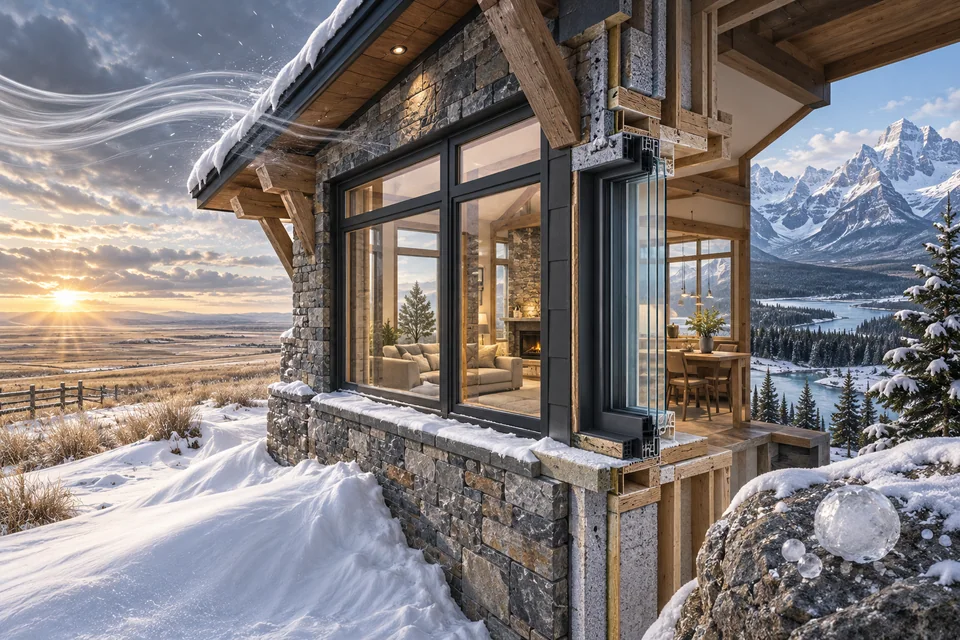
Window replacement in Alberta: Calgary, Edmonton, Red Deer and Lethbridge climate, hail, permit rules, the door-to-door sales ban, CEIP and planning costs.

ENERGY STAR window ratings explained: U-factor, ER, SHGC and VT
ENERGY STAR window ratings in Canada explained: U-factor, Energy Rating, SHGC, VT, air leakage, the old climate zones and how to read a label.

Low-e glass, argon and krypton, and warm-edge spacers: what makes a window efficient
What makes a window energy efficient: low-e coatings, argon and krypton gas fills, warm-edge spacers and seals, and how to choose glass by orientation.

Noise-reducing windows: what actually quiets traffic, rail and aircraft
Do triple pane windows reduce noise? How STC and OITC work, and why airspace, laminated and unequal glass and an airtight install beat a third pane.

Triple-pane vs double-pane windows: when the third pane pays off
Triple pane vs double pane windows in Canada: heat loss, condensation, noise, weight and cost compared, and how to decide whether triple glazing is worth it.

Window condensation: what water on the inside, outside or between the panes means
Why windows sweat or frost in a Canadian winter, what inside, outside and between-pane moisture each mean, humidity targets, and what new windows can fix.
Replacing windows in brick and stucco homes: what changes and what it costs
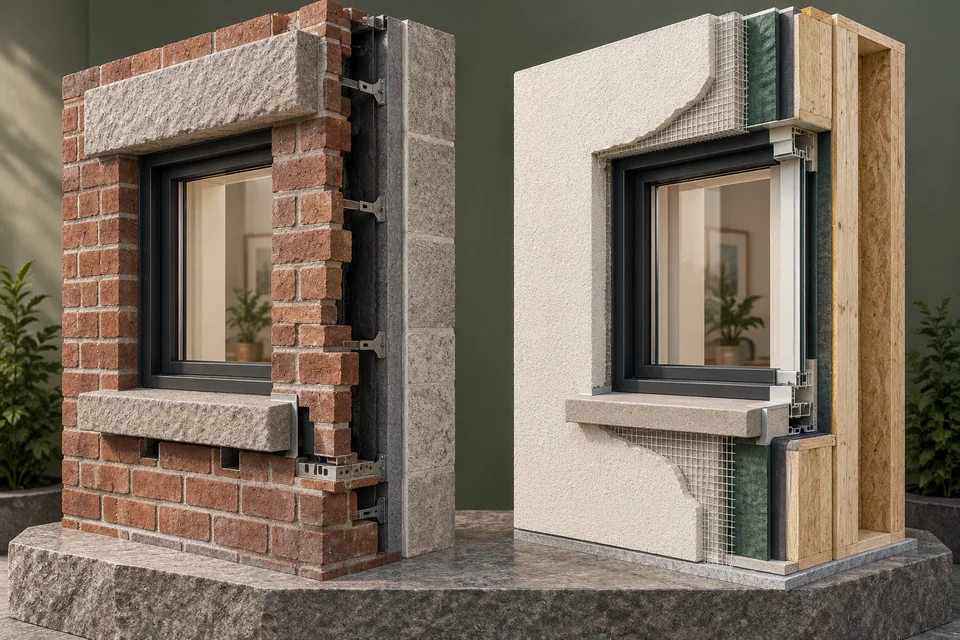
Replacing windows in brick and stucco homes: masonry openings, lintels and weeps, stucco cut-back and patching, insert vs full-frame, and planning cost.
DIY window replacement: what the job involves and when to hire it out
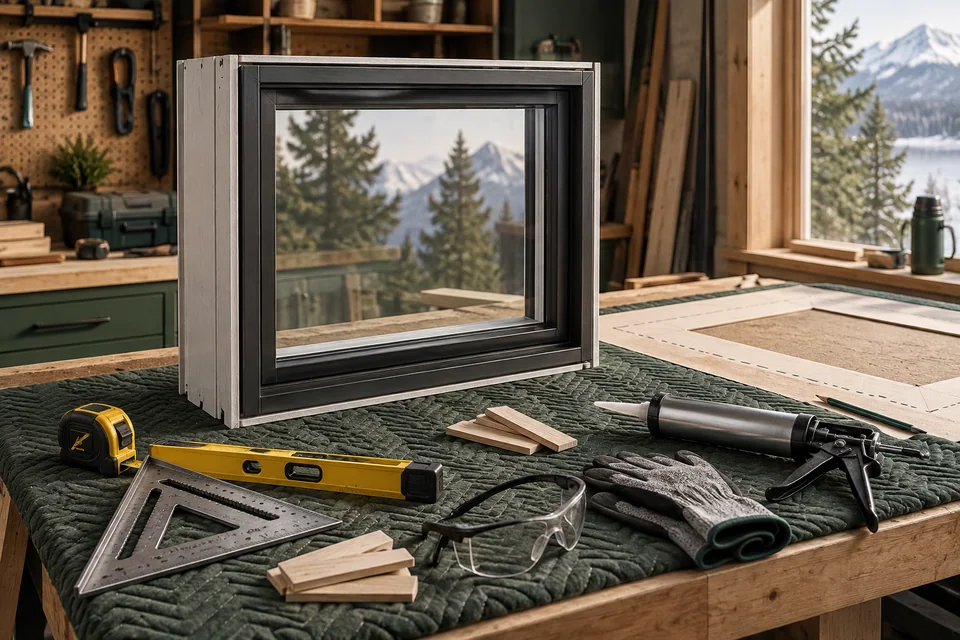
Can you replace windows yourself in Canada? What a DIY insert involves, measuring, tools, lead paint and glass safety, warranties, permits and when to hire.
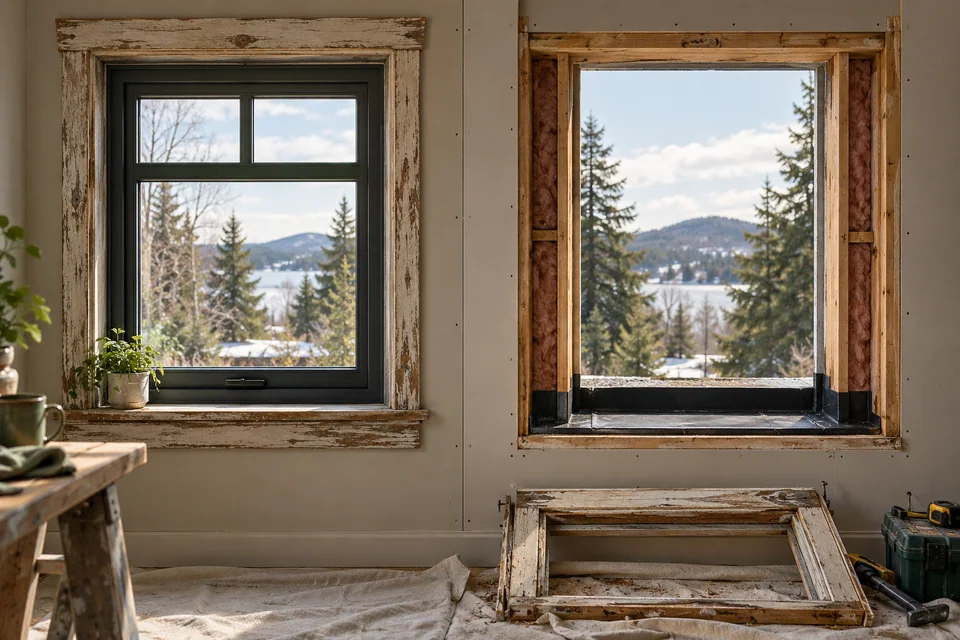
Insert vs full-frame window replacement: what each includes and when each fits
Insert (retrofit or pocket) vs full-frame window replacement: what is removed, glass area, trim, rot, flashing, egress and cost, and how to choose.
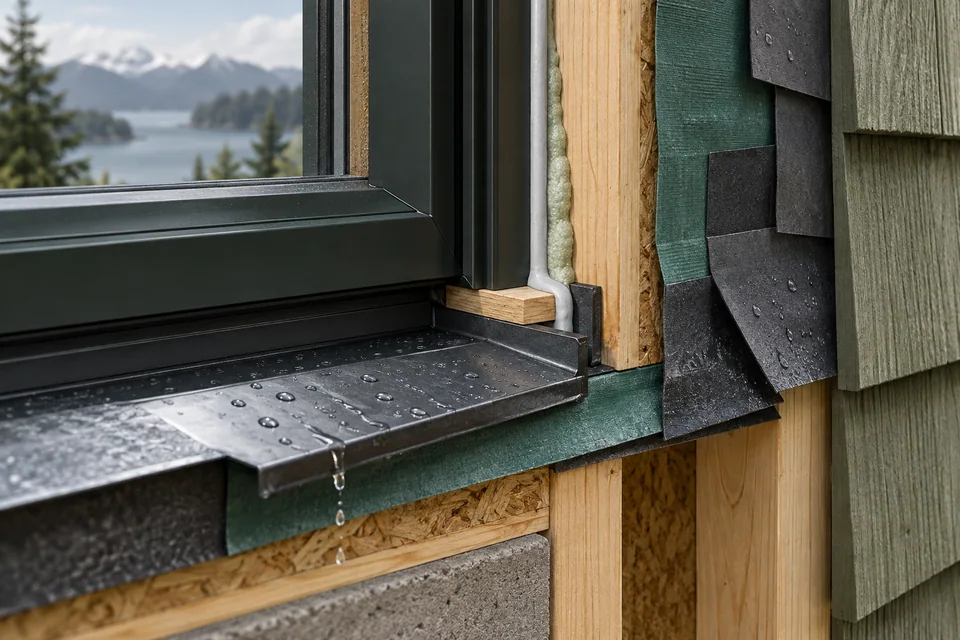
How replacement windows are installed: sill pans, flashing, foam, sealant and shims
How replacement windows are installed: sill pans, shingle-lapped flashing, drip caps, low-expansion foam vs backer rod, sealant, shims and fasteners.
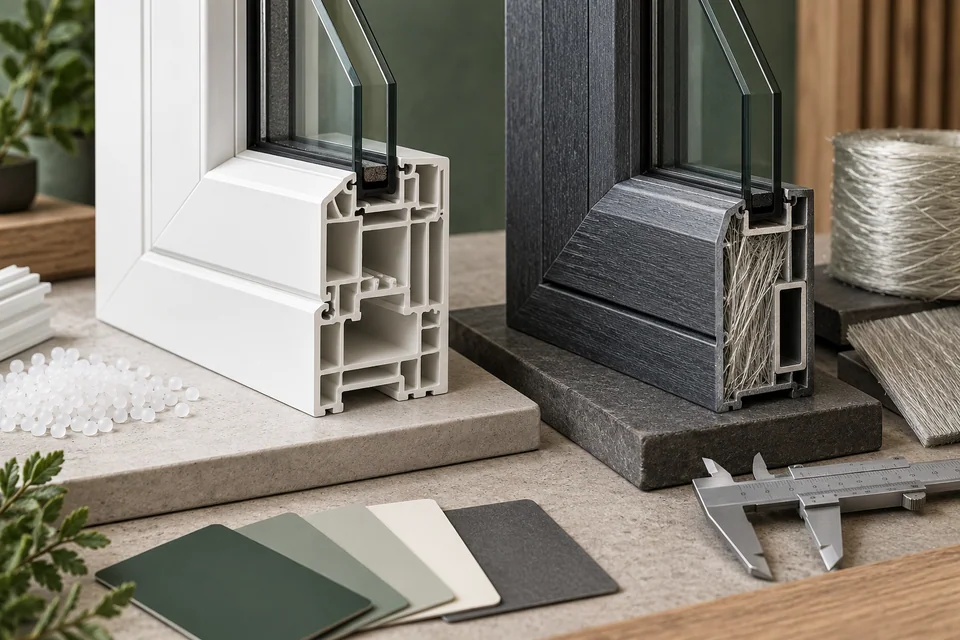
Fibreglass vs vinyl windows: stiffness, movement, colour and cost compared
Fibreglass vs vinyl windows compared for Canadian homes: strength, expansion, insulation, colour and painting, maintenance and planning cost.
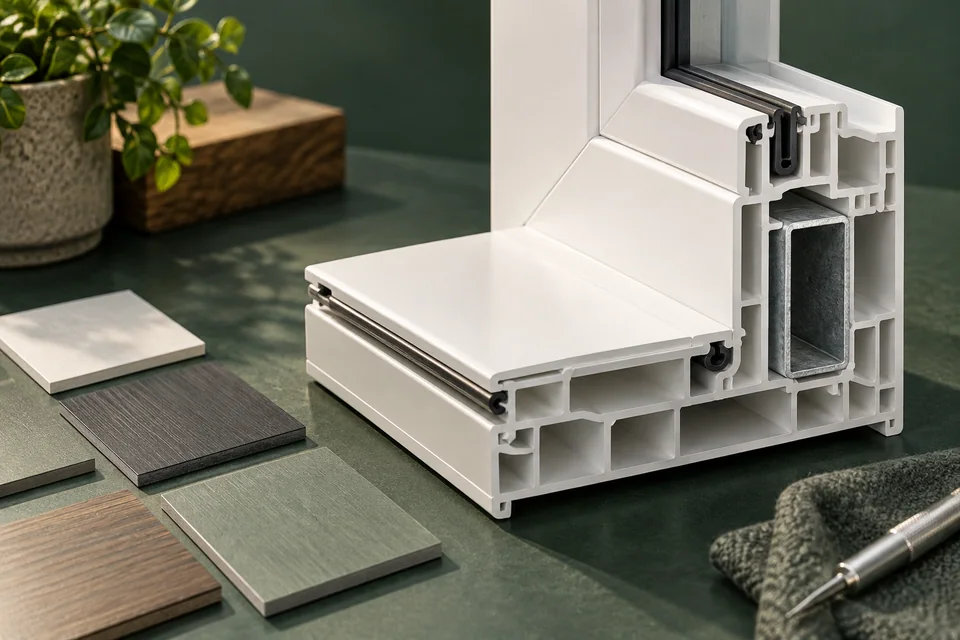
Vinyl windows: what they do well, where they fall short, and how to judge one
Vinyl windows pros and cons for Canadian homes: how PVC frames are made, heat and cold, colours and painting, common failures and judging quality.
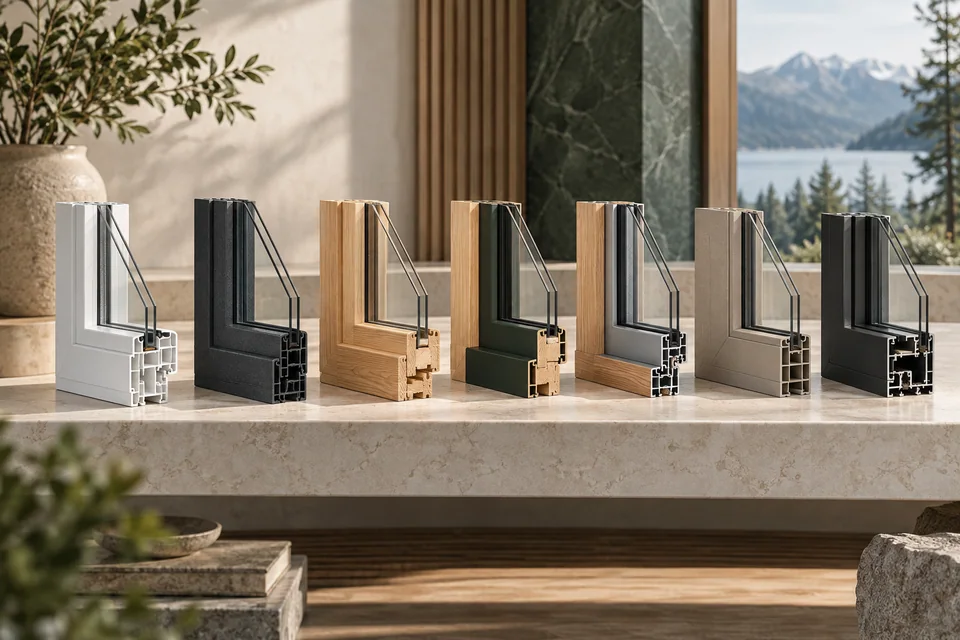
Window frame materials compared: seven options for Canadian homes
Window frame materials compared for Canada: vinyl, fibreglass, wood, wood-clad, aluminum-clad, composite and aluminum, with upkeep and cost.
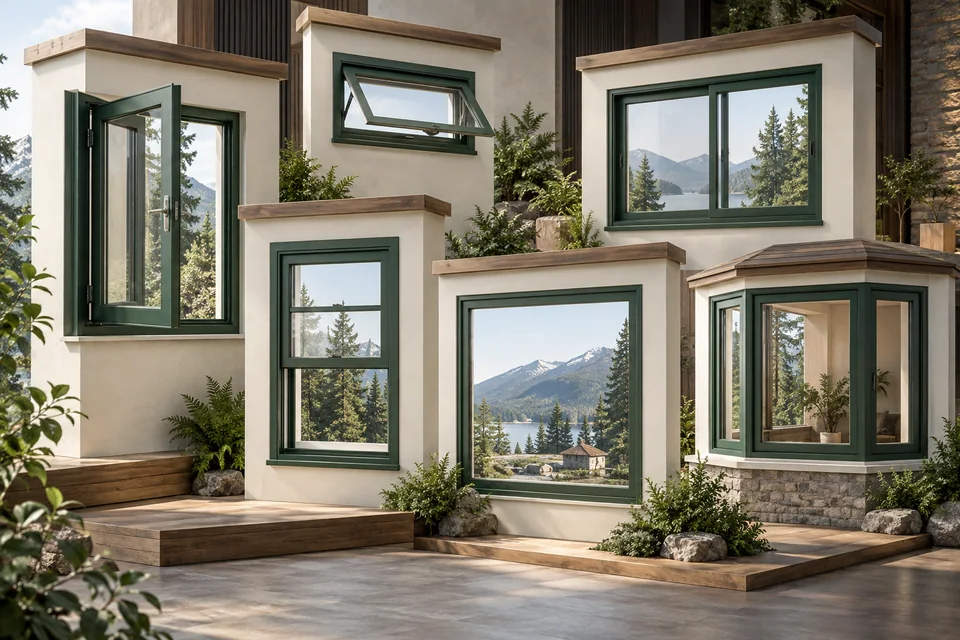
Window types explained: how each opens, seals, cleans and costs
Window types explained for Canadian homes: casement, awning, slider, single and double hung, picture, bay, bow, garden, basement windows and patio doors.
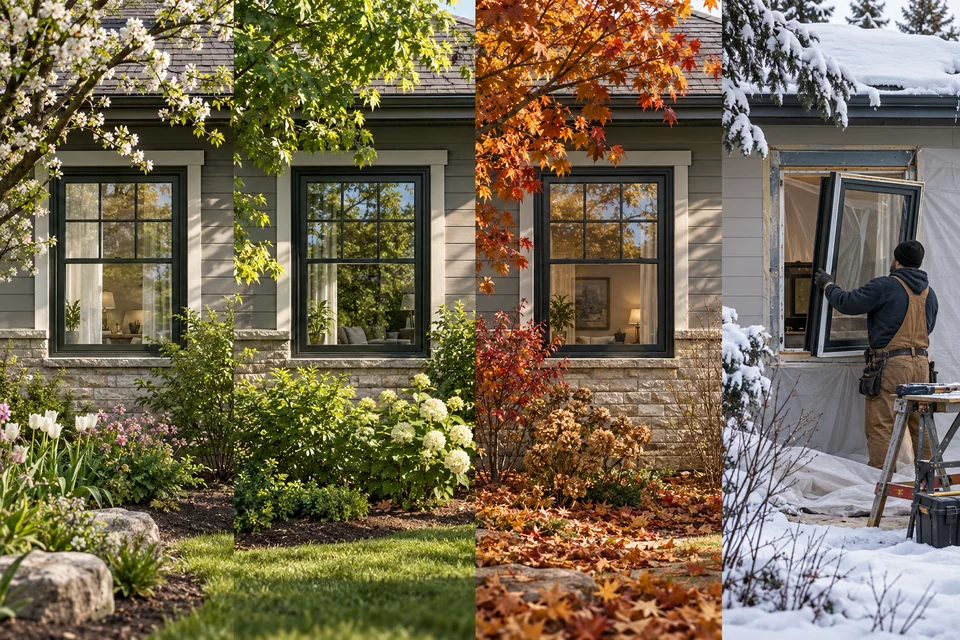
The best time to replace windows in Canada, and what install day looks like
When to replace windows in Canada: spring, summer, fall or winter, lead times, winter installation, what happens on install day, mess, access and preparation.

How to choose a window replacement company: the checks that matter
How to choose a window replacement company in Canada: provincial licences, insurance and workers' compensation, installer training, contracts and red flags.

How to choose the best replacement windows for your house
What makes the best replacement windows in Canada: certified ratings, Most Efficient levels, wind and water grades, frame, glass by wall, hardware and warranty.

Is window replacement worth it? Energy, comfort, condensation and resale
Is window replacement worth it in Canada? What new windows do for heat loss, comfort, condensation, noise and resale, and when repair should come first.
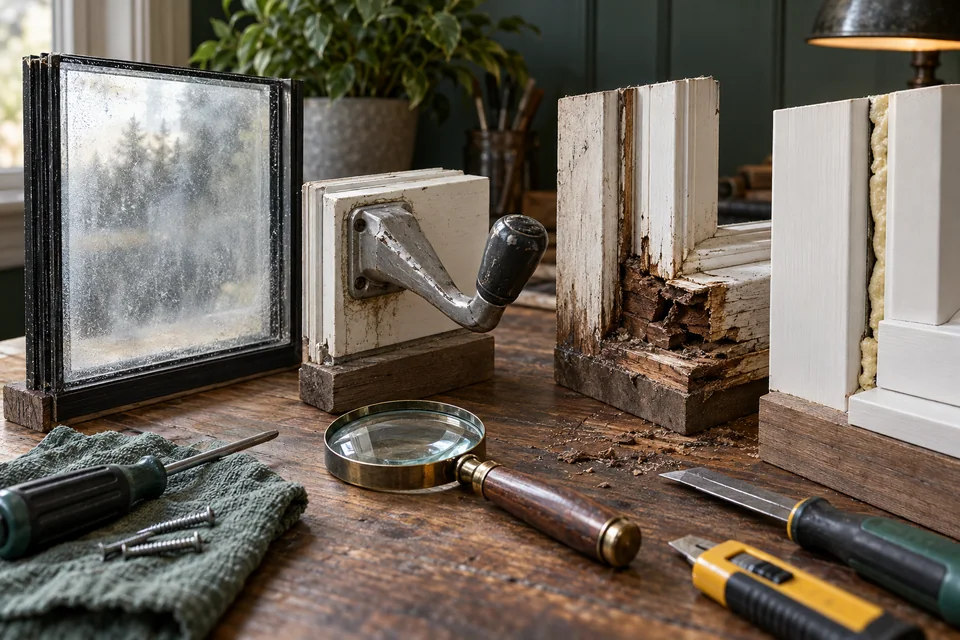
Repair or replace windows: a part-by-part decision guide
Repair or replace windows: what to do about foggy double-pane glass, failed seals, broken cranks and balances, draughts, rot and single glazing in Canada.

Window replacement quotes and warranties: what a complete quote says
What a window replacement quote should include, why windows cost what they do, product vs installation warranties, deposits, and red flags in Canada.

Window replacement rebates, grants, tax and insurance in Canada
Window replacement rebates and grants in Canada for 2026: federal program status, provincial and municipal examples, tax, insurance and scam warnings.
Window replacement permits and bedroom egress rules in Canada
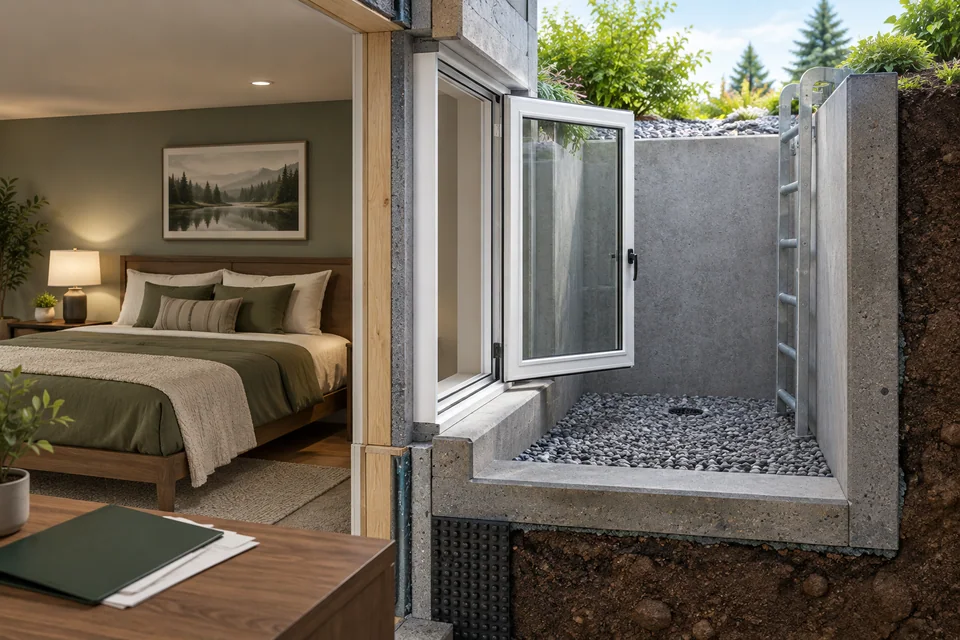
Do you need a permit to replace windows in Canada? When same-size replacement is exempt, when it is not, and bedroom egress sizes, sills and window wells.
Window replacement cost in Canada: 2026 planning ranges by type, frame and install
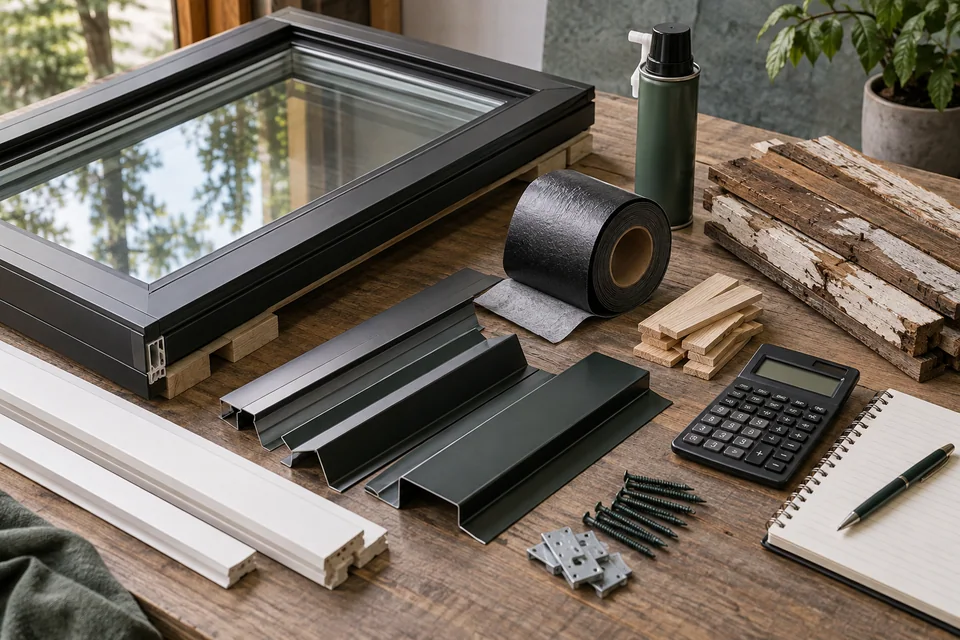
Window replacement cost in Canada for 2026: planning ranges per window by type and size, frame and glass multipliers, full-frame and stucco add-ons.

Window Quote Checker: compare window quotes on what they actually include
Window Quote Checker: compare up to three window replacement quotes on price per window, warranties and ten inclusions, with questions to ask each one.

Window Replacement Planner: a planning range for your windows
Window Replacement Planner: enter up to six rows of windows, choose frame, glass, install method and exterior, and get a 2026 planning range and breakdown.

Canadian climate zones and window choice
Canadian climate zones for windows: heating degree-days, old ENERGY STAR zones 1 to 3, what changed in 2020, city values and how climate shapes glass.
Frequently asked
How much does window replacement cost in Canada?
As a 2026 planning estimate, a medium vinyl casement with double low-e argon glass installed as an insert plans at $900 to $1,500. Type, size, frame, triple glazing and full-frame installation move the range; the Window Replacement Planner totals it for your windows.
Are triple pane windows worth it?
Often in colder regions and on north- and east-facing walls, for large glass and in homes with condensation. In mild coastal climates, good double glazing may be enough. Compare certified whole-window ratings.
Do ENERGY STAR climate zones still apply?
No. Since January 1, 2020, ENERGY STAR Canada uses one national requirement for windows and doors. Zones appear on older labels.
What is the difference between insert and full-frame replacement?
An insert fits a new window inside the old frame; full-frame removes everything to the rough opening so framing, flashing and insulation can be redone. Full-frame costs more and fixes more.
Do I need a permit to replace windows?
Usually not for same-size replacement in a house, but rules are local. Enlarging or adding windows needs a permit, and some cities also list changes to a window's type or operation. Ask your municipality.
Does ReplaceWindows.ca install windows?
No. ReplaceWindows.ca is part of HAUSE Home, an independent information and service-request network. It does not make, sell or install windows and does not rank brands.
Describe the problem once. Get a straight answer.
Tell us what you are seeing — when it happens, where, the age of the house and anything you have already been told or quoted. The HAUSE Home desk replies with next steps and, where available, a local contractor for the job.
Broken glass or a window that will not close? Wear gloves, keep children and pets away, and cover the opening with plywood or heavy plastic until it is repaired.